
Tuesday 21 July 2026
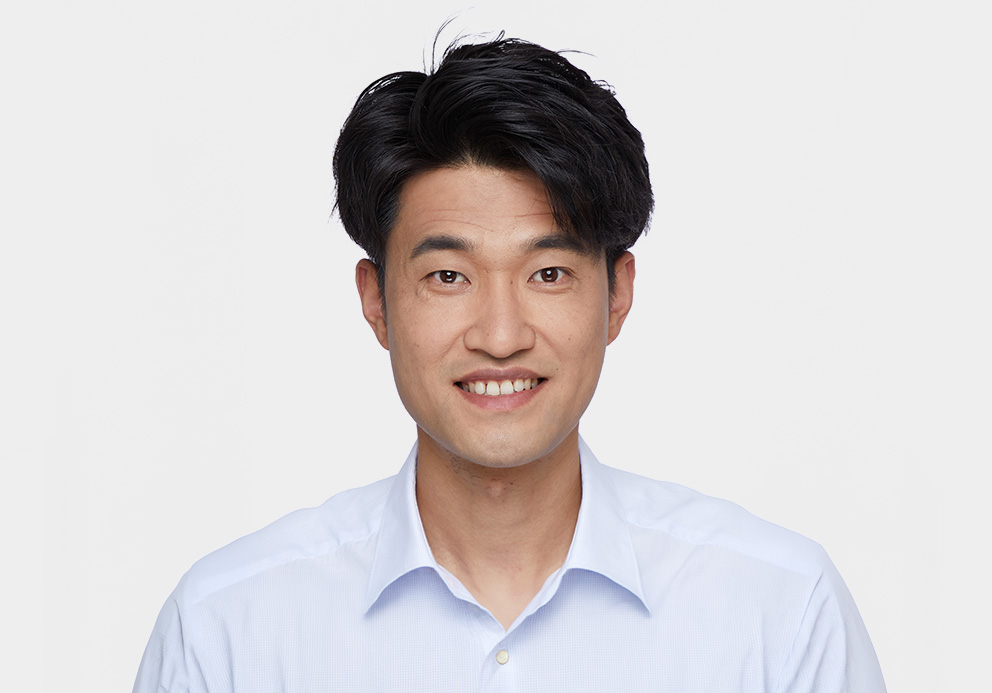
Professor Qiang Zhang Leads Pioneering AI Heart Imaging Research
Keble Research Fellow in Cardiovascular Imaging, Professor Qiang Zhang, has led pioneering research showing that artificial intelligence could reduce the need for contrast injections during cardiac MRI scans, making advanced heart imaging faster, cheaper and more accessible for patients.
Published in the Journal of the American College of Cardiology (JACC), the study is the first prospective, multicentre clinical trial to demonstrate that an AI-powered imaging technique can accurately identify myocardial fibrosis, the heart muscle scarring, without the need for the contrast dye traditionally used in cardiac MRI.
Cardiac MRI is regarded as the gold standard for assessing damage caused by heart attacks and other forms of heart disease. However, current techniques typically require patients to receive an injection of a gadolinium-based contrast agent, which lengthens scan times, increases costs and is unsuitable for some, including those with advanced kidney disease, mothers who are pregnant or lactating and children.
The Oxford-led research evaluated an AI technique known as Virtual Native Enhancement (VNE), which creates “virtual contrast” images using standard MRI scans taken before any contrast agent is administered. In a blinded study involving hospitals in the UK and China, the technology demonstrated diagnostic accuracy comparable to conventional contrast-enhanced imaging for many patients.
The research marks one of the first rigorous real-world validations of an AI imaging technology designed to replace an existing cardiac diagnostic imaging procedure. More information is available in the original paper.